Creating a gym routine that actually works can feel overwhelming at first, especially with so much information online. When I first started, I didn’t really have a plan. I would just go to the gym and do random workouts. Over time, I realized that having a structured routine makes a huge difference, not only for physical results but also for staying consistent.
A good gym routine should fit your schedule and be realistic to follow. For example, I prefer going in the morning because it helps me stay disciplined and get it out of the way before the day gets busy. According to Gold’s Gym, starting with a simple and structured workout plan is one of the best ways to stay consistent and avoid burnout. Their 2026 workout plan focuses on building a strong foundation with basic exercises and gradually increasing intensity over time, which helps your body adjust without feeling overwhelmed (Gold’s Gym, 2026).
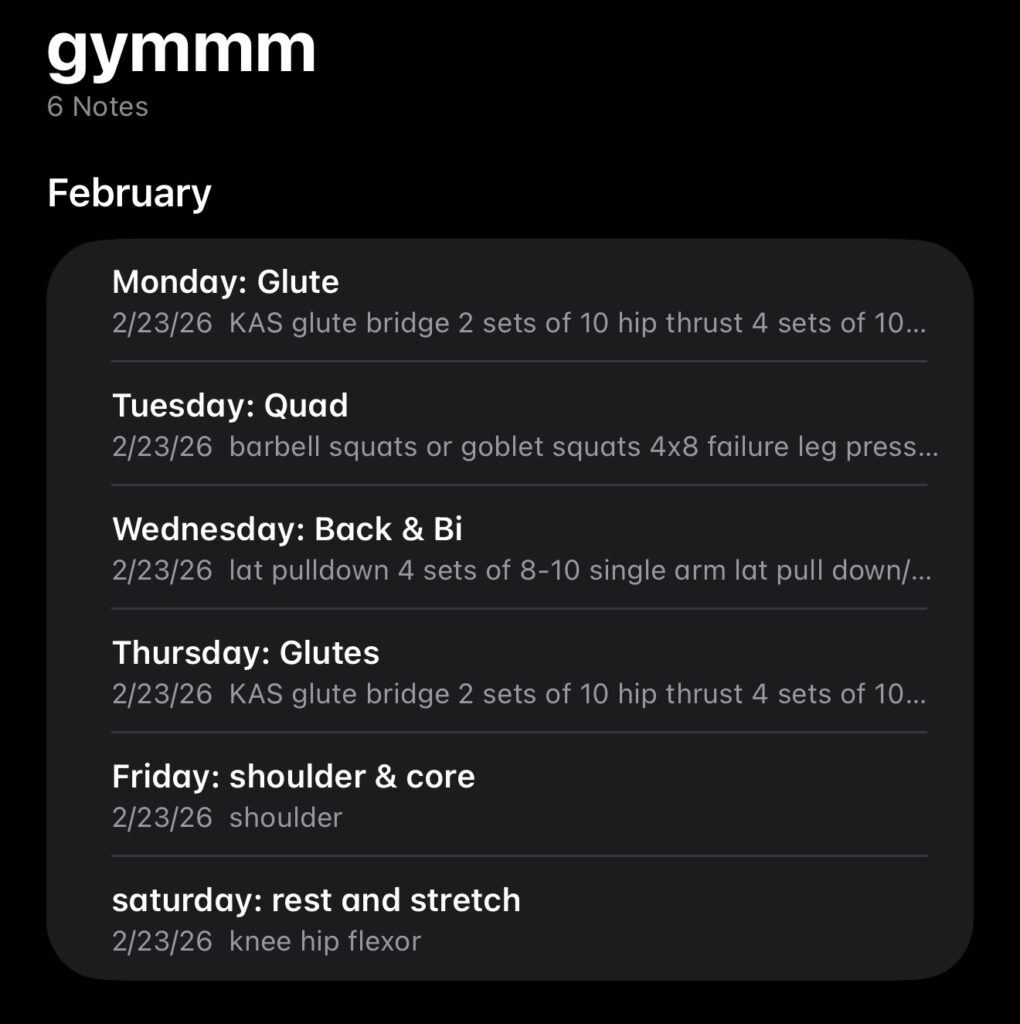
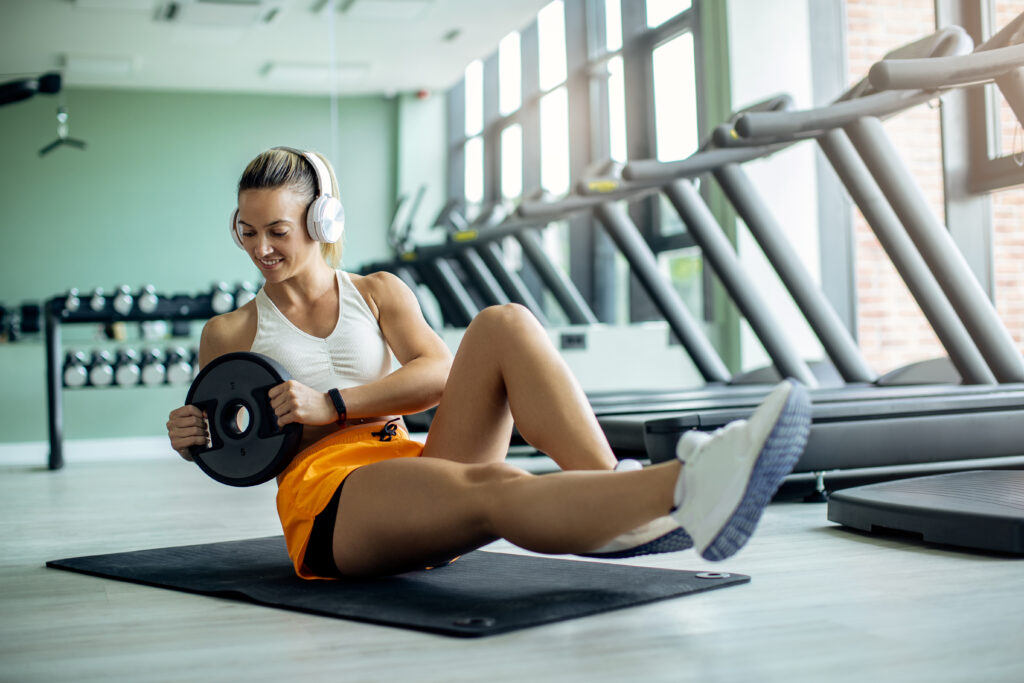
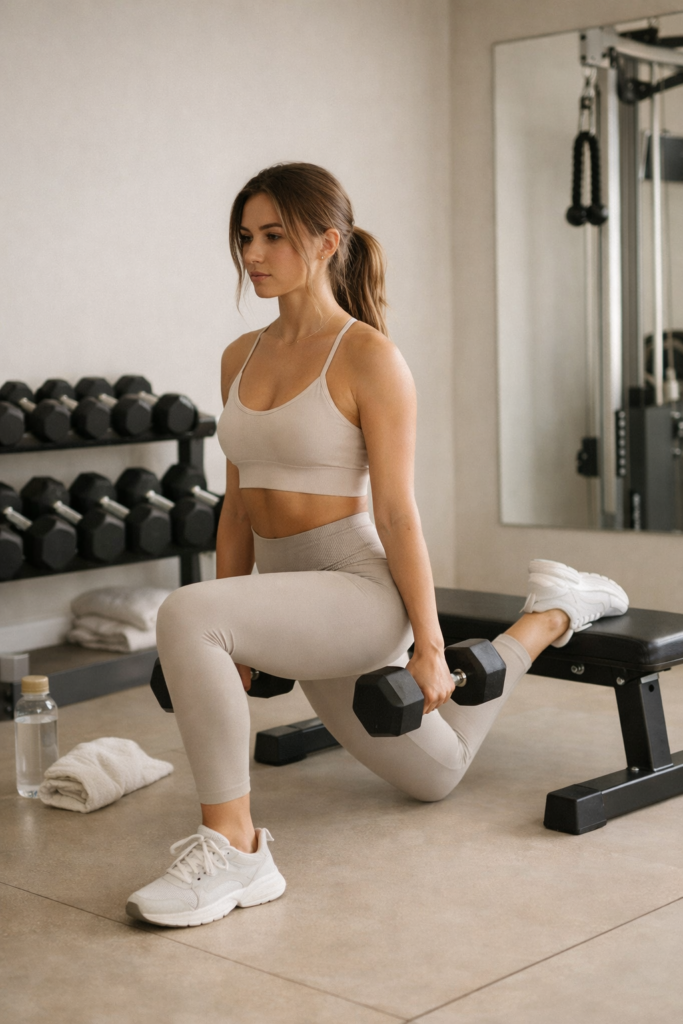
For me, a weekly routine might include lower body days focused on glutes and quads, upper body days for back and arms, and a core or full body day. This kind of split keeps workouts balanced and helps target different muscle groups without overtraining. Rest days are also just as important because they allow your body to recover and grow.
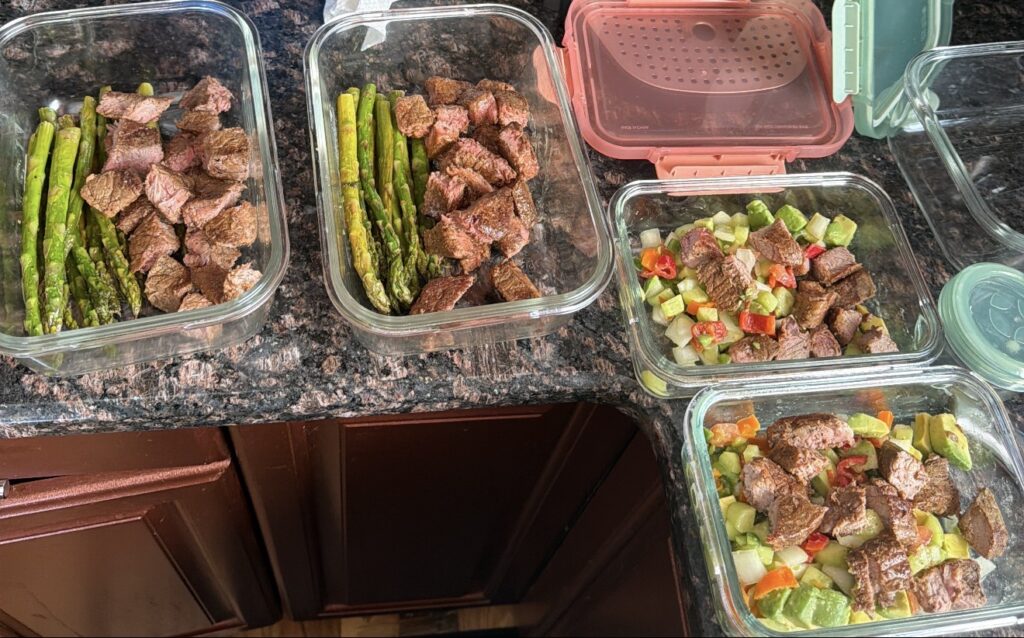
Diet is another major part of creating an effective gym routine. What you eat directly impacts your energy levels and results. I try to keep my meals simple and balanced, focusing on protein, carbs, and healthy fats. For example, I’ll have something light before the gym like yogurt with fruit or a rice cake with PB2, then a more filling meal after like eggs, turkey bacon, or chicken with rice and vegetables. Eating consistently throughout the day helps fuel workouts and supports muscle growth.
Overall, creating a gym routine isn’t about being perfect. It’s about finding what works for you and sticking to it. By combining a structured workout plan with a balanced diet, it becomes much easier to stay consistent and actually see progress over time
For this assignment, I tracked my media usage throughout the day and focused on identifying questionable or potentially misleading content. I didn’t realize how much media I consume daily until I actually documented it. Most of my time was spent on TikTok, Instagram, and email checking news updates, and I noticed that not all of the content I saw was equally reliable.
Media Diary
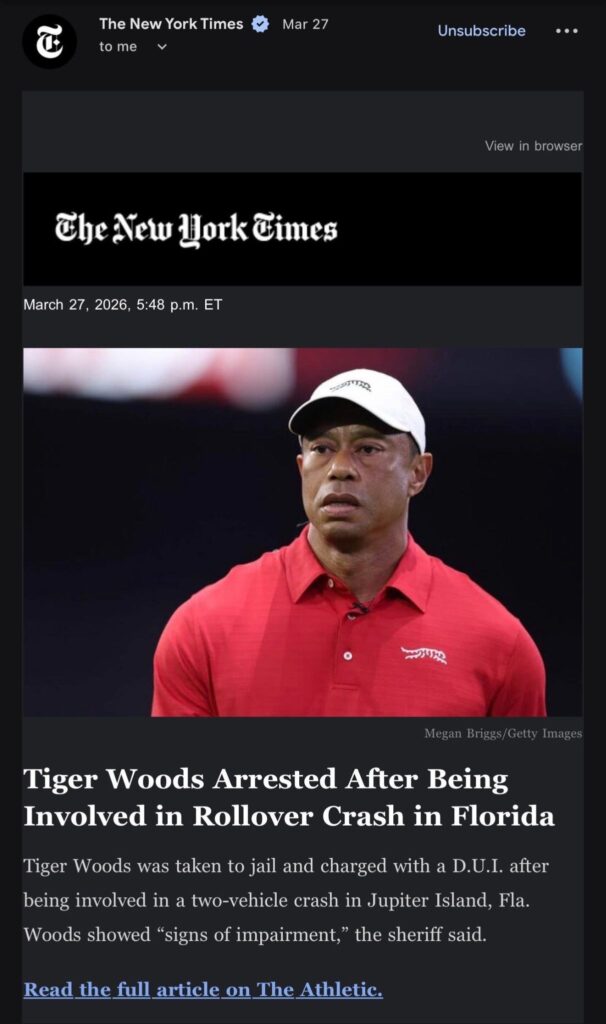
-7:15 a.m. – Wake up and immediately check my phone. I open my email and see headlines from The New York Times. One headline about Tiger Woods being arrested after a crash catches my attention. Because it’s from a well-known news source, it feels credible, but I still recognize that headlines can sometimes be written to grab attention.
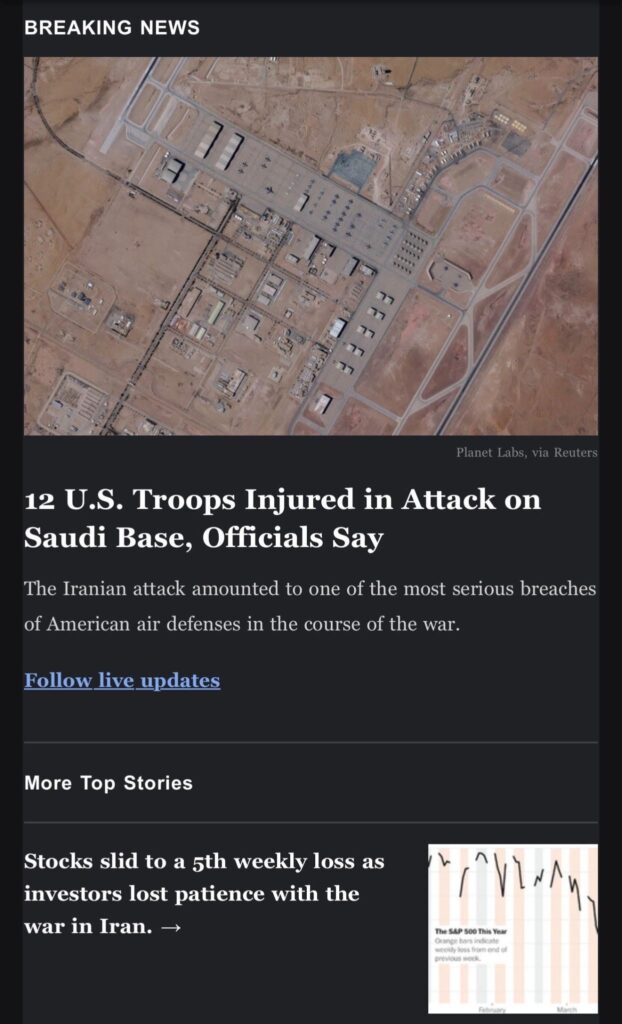
-7:45 a.m. – Continue scrolling through the news email and see another headline about U.S. troops injured in an attack on a Saudi base. This feels serious and important, and it includes more context compared to social media posts, which makes it seem more trustworthy.
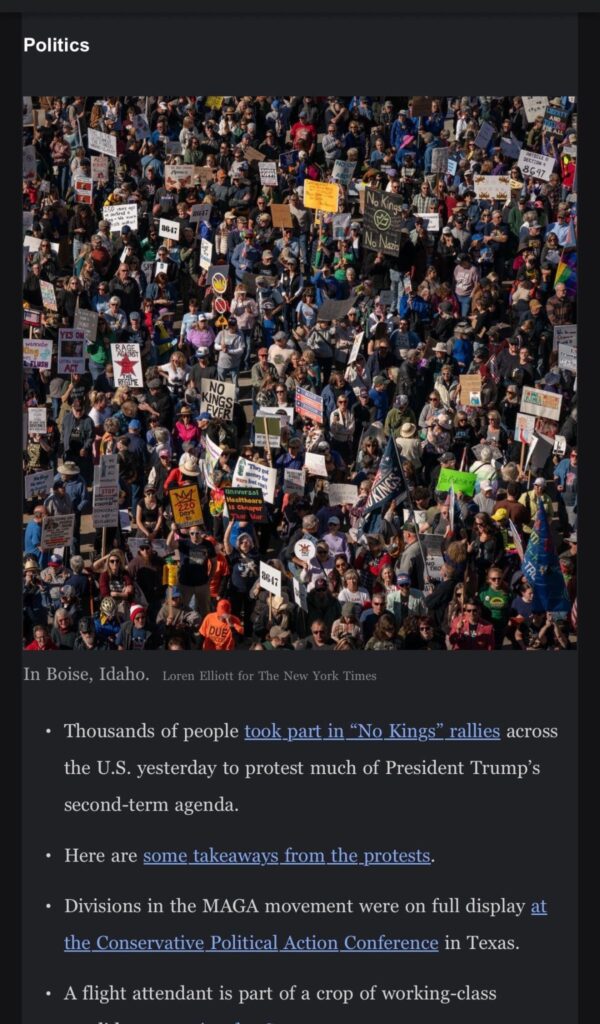
-9:30 a.m. – In my email, I see the New York Times sent an article about protests and political division in the U.S. The post includes real images and captions, but I realize that depending on the source, political content can be framed in different ways to influence how people interpret it.
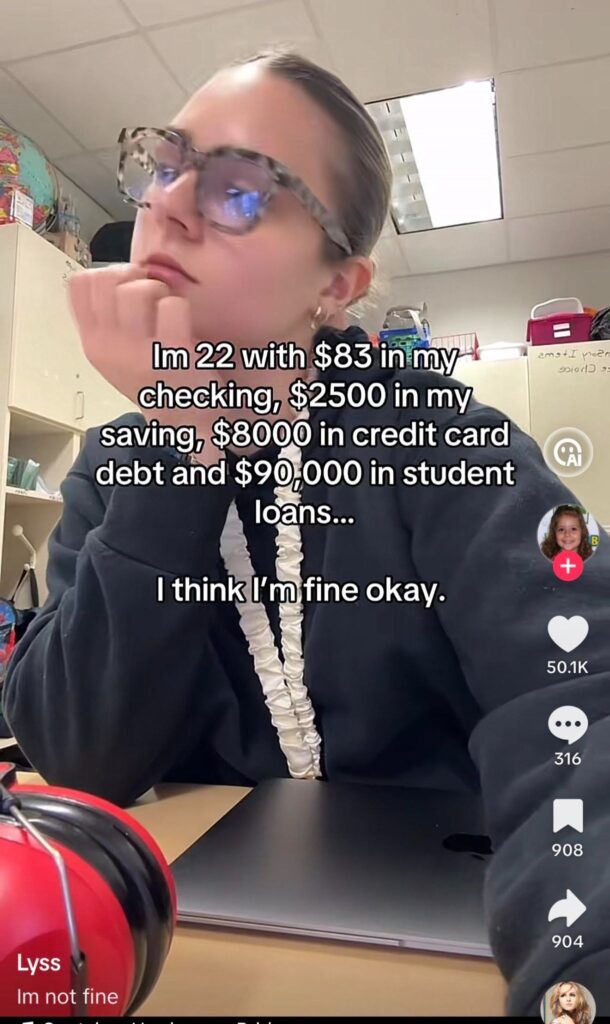
-11:00 a.m. – While taking a break, I scroll TikTok and see a video where someone talks about being 22 with debt and saying “I think I’m fine.” This seems relatable, but it could also normalize unhealthy financial situations without giving real advice or context.
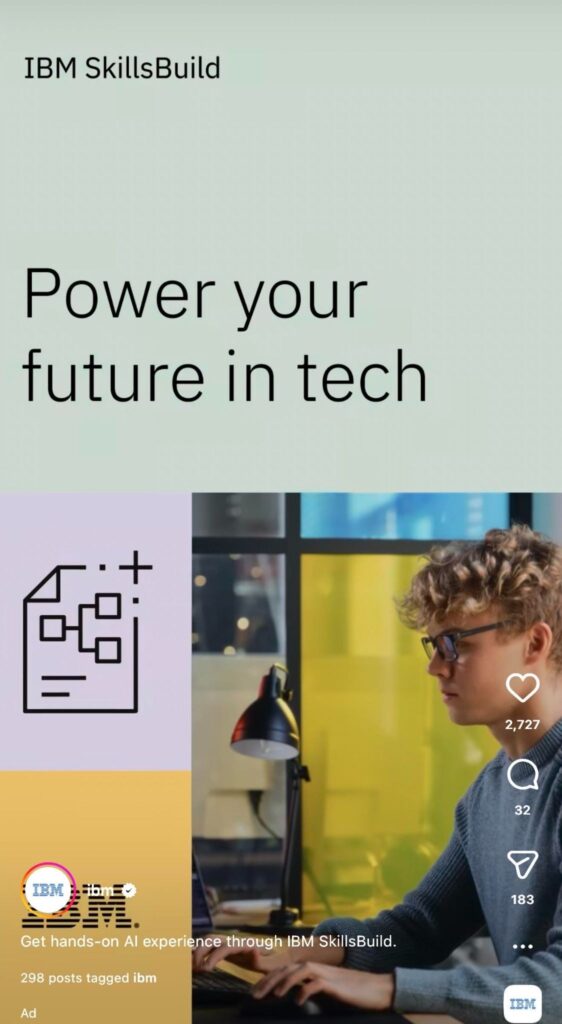
-12:30 p.m. – I came across an ad for IBM promoting “SkillsBuild” and learning tech skills. This is clearly an advertisement, but it’s presented in a way that blends into regular content, making it easy to scroll past without realizing it’s sponsored.
-2:00 p.m. – On Instagram, I saw a post about a Bad Bunny collaboration with Adidas. This is promotional content, but it’s styled like a regular post, which shows how advertising is often mixed into everyday media.
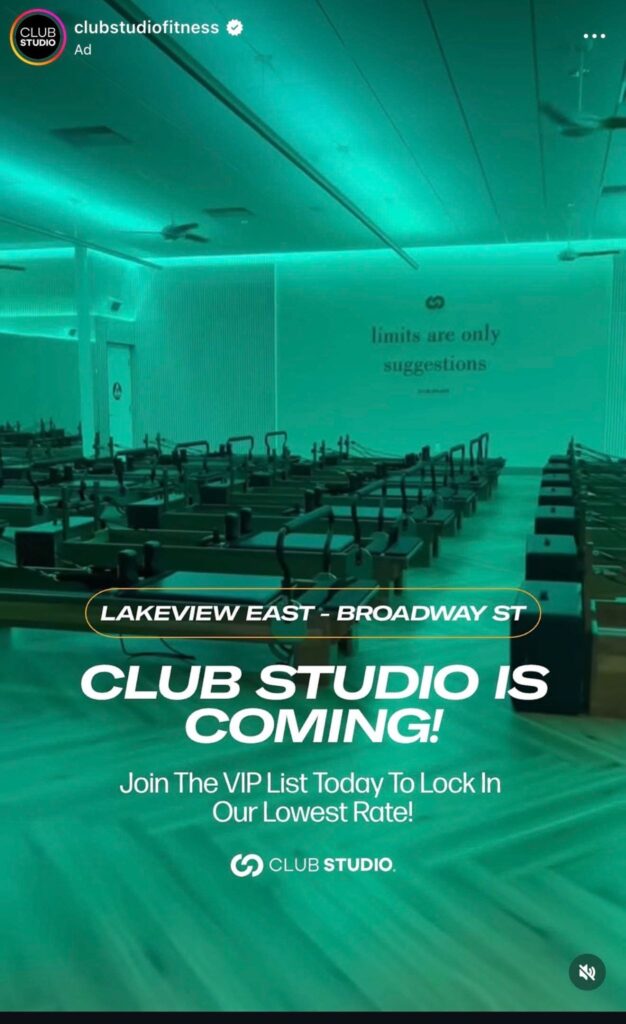
-3:30 p.m. – Another ad appears for a gym called Club Studio promoting a new location. The message says things like “lock in our lowest rate,” which creates urgency and pressure, even though it’s just marketing.
-5:00 p.m. – I saw a post about “best matcha places in Mexico City.” This is more lifestyle content and seems harmless, but it’s still curated to influence where people go and what they try.
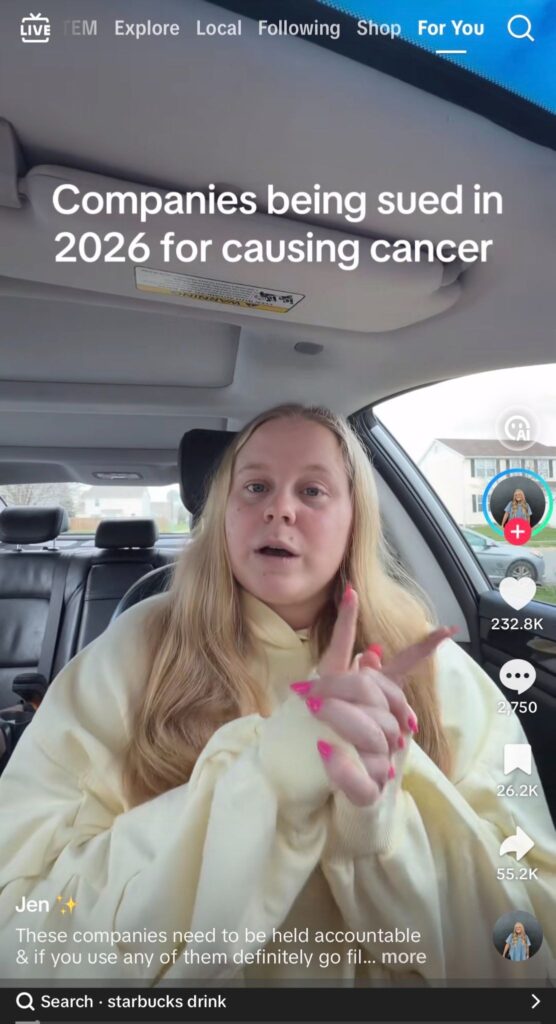
-7:30 p.m. – Later, I scroll TikTok again and see a video claiming that certain companies are being sued for causing cancer. This stood out to me as questionable because it’s a very serious claim but doesn’t provide clear sources or evidence in the video itself.
One of the most questionable pieces of content I saw was the TikTok claiming that companies are being sued for causing cancer. Because this is a serious claim, I would need to verify it using credible sources like The New York Times or other verified news outlets. TikTok videos often simplify complex issues, and without proper sources, the information can be misleading or taken out of context.
In contrast, the news updates from The New York Times felt more reliable because they included details, context, and were produced by a professional organization. However, even credible sources can have bias or framing, so it’s still important to read beyond headlines.
Advertisements, like the IBM post and the gym promotion, were also interesting because they were designed to blend into regular content. This makes it harder to immediately recognize what is informational versus what is trying to sell something.
Reflection
Tracking my media usage made me realize how much of my day is influenced by digital content, especially social media. I tend to scroll out of habit or boredom, not always thinking critically about what I’m consuming.
I noticed that social media platforms like TikTok have a lot more questionable content compared to traditional news sources. Many posts are designed to grab attention quickly, which often leads to exaggerated or incomplete information. At the same time, ads and promotions are blended into feeds so naturally that it’s easy to overlook them.
Another pattern I saw is that serious topics like health, politics, or financial situations are often simplified or dramatized on social media. This can make them more engaging but less accurate.
Overall, this assignment made me more aware of how important it is to question what I see online. Moving forward, I want to be more intentional about fact checking and paying attention to where information is coming from, especially when it involves serious claims.