Misinformation is one of the biggest problems on social media today, especially since it’s so easily accessible. From this week’s module, one thing that stood out is that social media platforms don’t just show content randomly. Algorithms decide what users see, which means they can also push misinformation quickly. Because of this, platforms play a big role in shaping what people believe. For this blog post, I focused on TikTok and Instagram and how they try to reduce misinformation. While both platforms have systems and policies in place, their efforts show that misinformation is still difficult to control.
1. TikTok & Instagram’s Efforts
TikTok
TikTok uses a combination of content removal, fact checking, and limiting reach to catch misinformation. According to TikTok’s official update, the platform removes content that could cause real world harm, especially around topics like public health and elections. Instead of only deleting content, TikTok also focuses on reducing how far misinformation spreads. If a video is flagged, it may not appear on the “For You” page, which is where most users discover content. There is something called ”shadow ban” on TikTok. This happens when a user is posting anything that does not follow guidelines. In this case it would be spreading misinformation. This is important because TikTok’s algorithm heavily influences what goes viral.
Instagram takes a different approach. It focuses on removing harmful misinformation, adding warning labels, and using fact checking systems. According to its policies, Instagram removes content that could lead to serious harm, especially related to violence or health claims. The platform also reduces the visibility of misleading content rather than always deleting it. The New York Times explains that Instagram has also tried to limit how often misinformation appears in feeds, especially during major events like elections. This shows that Instagram also uses its algorithm to control what users see, similar to TikTok.
2. Examples of How Policies Are Used
Both platforms apply these policies in real situations.
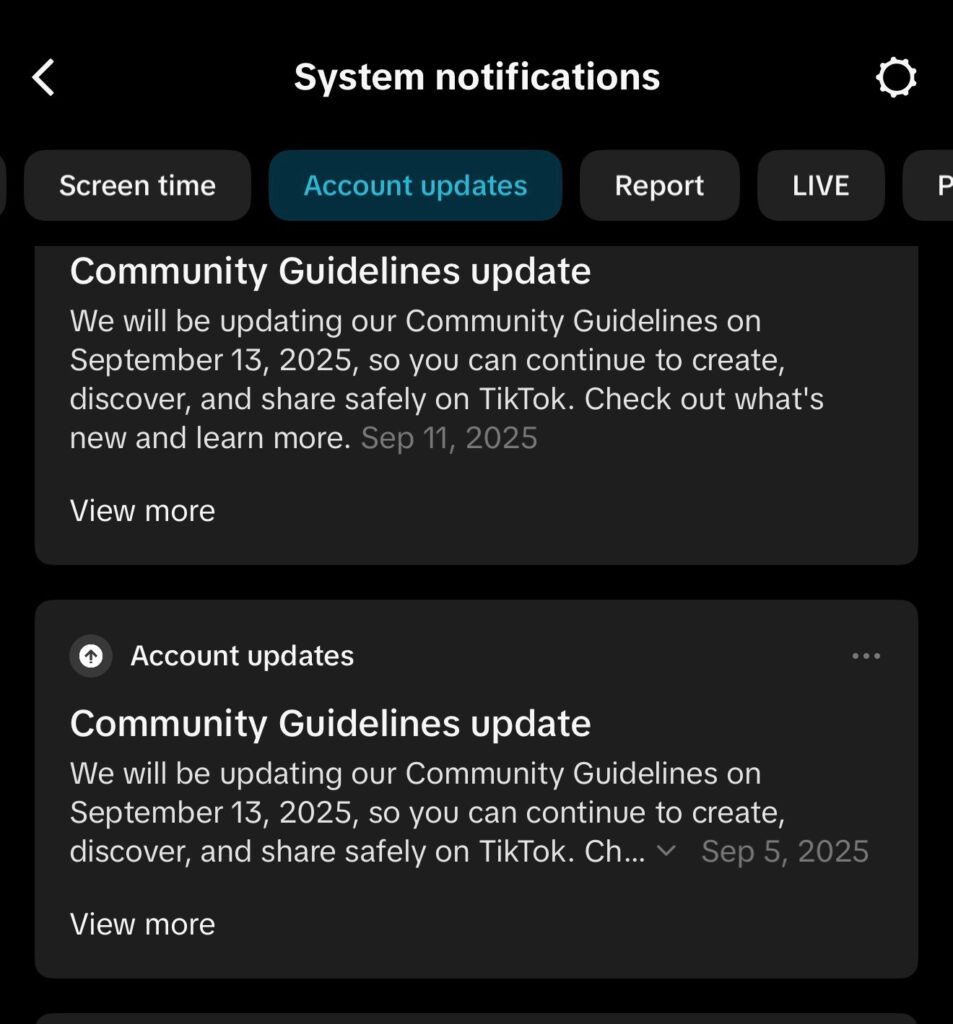
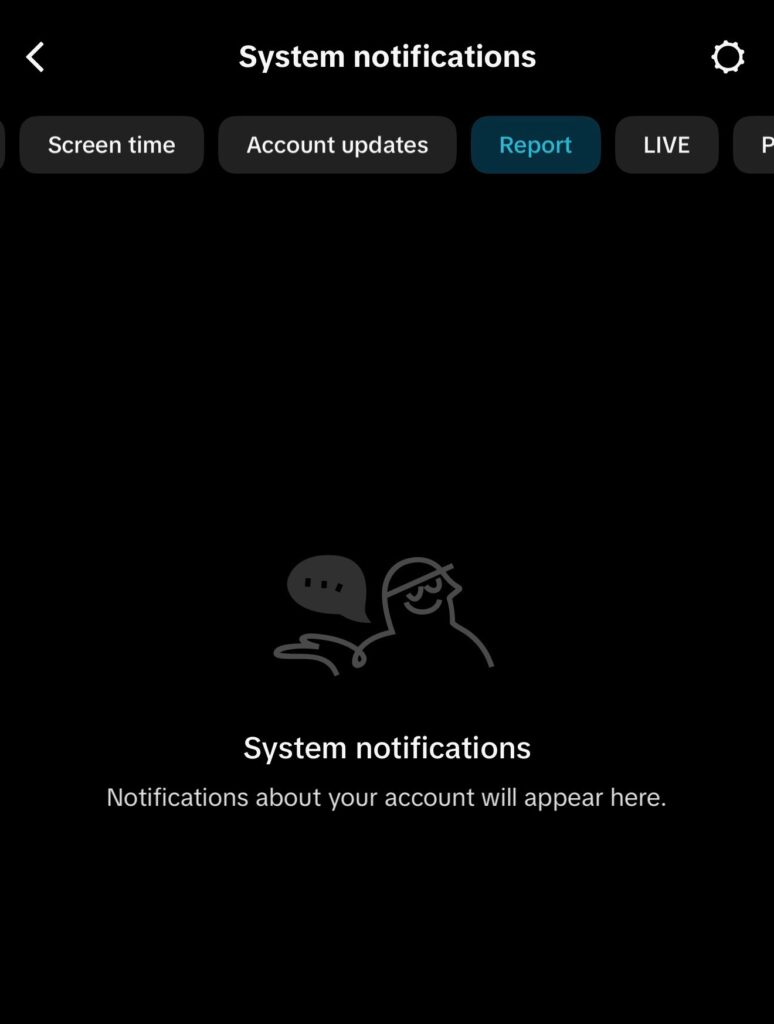
On TikTok, misinformation related to health or safety may be removed completely if it is harmful. In other cases, TikTok may leave the video up but limit its reach so it does not go viral. For example, videos with misleading claims may not appear on the For You page. TikTok has options for you to report other TikToks. They also regularly send you updates to their policy and guidelines.
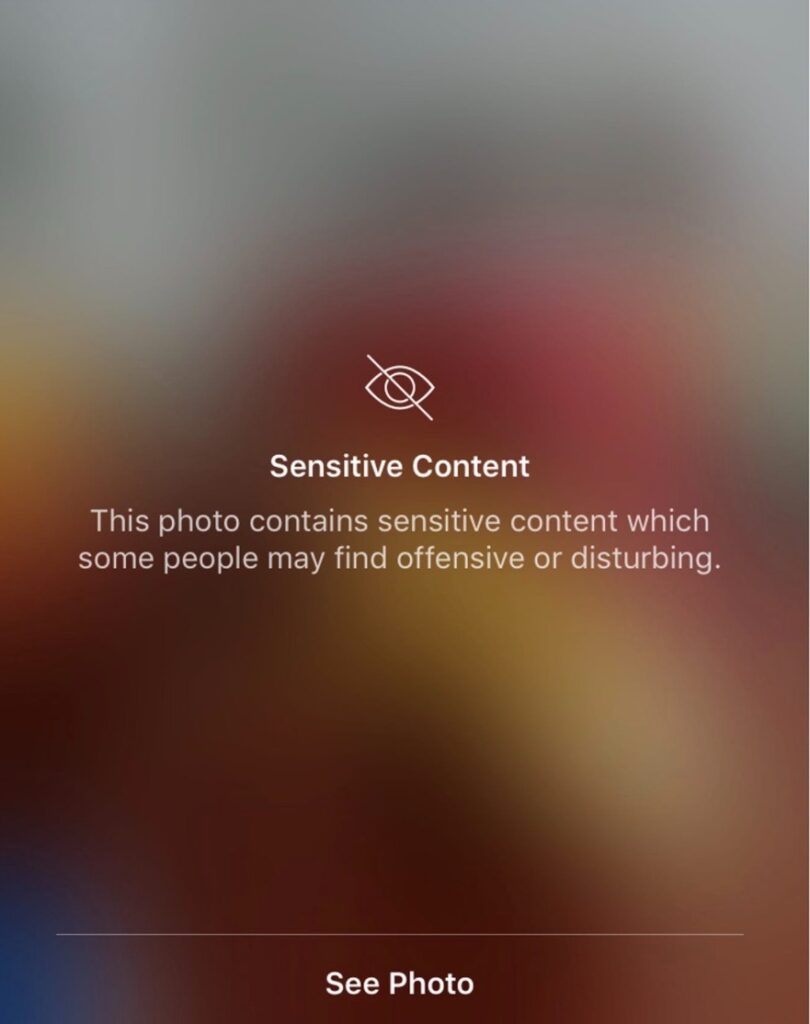
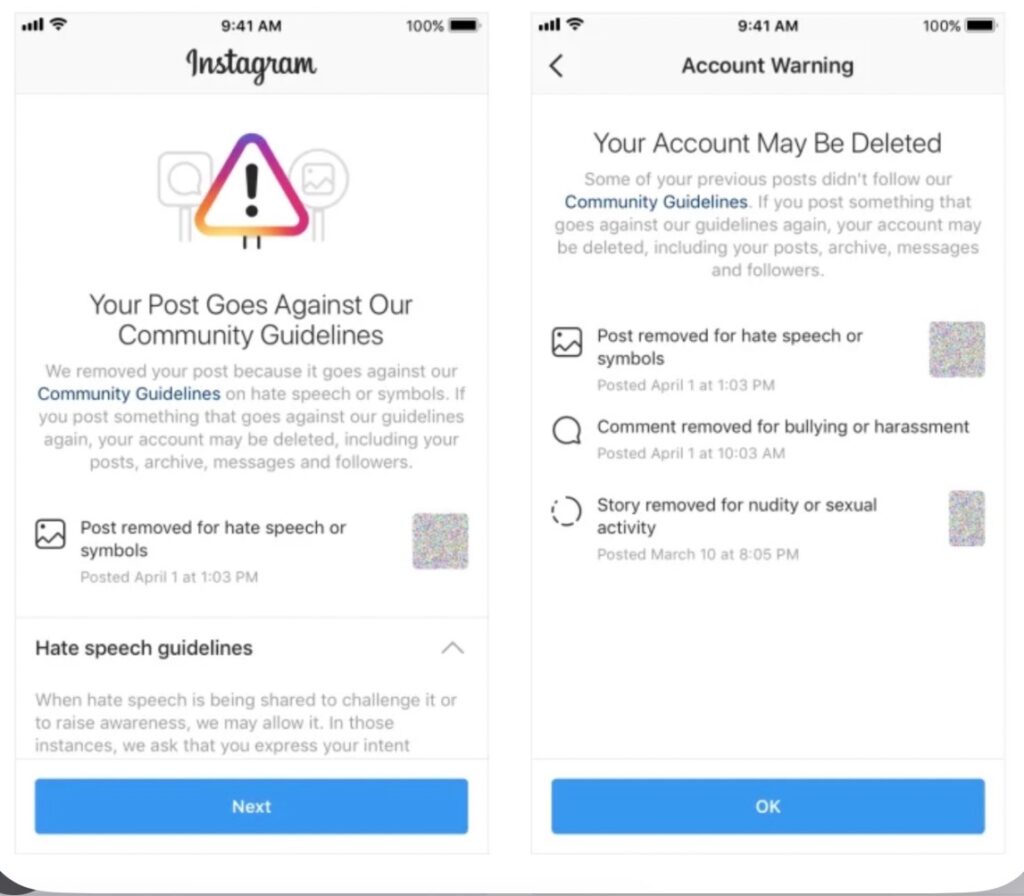
On Instagram, users may see warning screens before viewing certain posts, especially if the content has been fact checked. The platform may also reduce how often those posts appear in feeds. Your posts will get taken down if they do not follow the guidelines.
These examples show that both platforms rely on a mix of removal, labeling, and algorithm control instead of just deleting everything.
3. Evaluation of the Policies
In my opinion these policies help, but they don’t fully solve the problem. One major issue is that misinformation spreads faster than platforms can probably respond. Social media allows content to reach large audiences quickly, and by the time something is labeled or removed, it may already have many views and shares. TikTok’s system is strong because it uses multiple strategies, but the platform’s design makes it easy for users to scroll quickly without thinking. This increases the chances of misinformation spreading. Instagram’s approach is helpful because it provides context through labels, but it is not always effective. Many users ignore warnings or continue to share posts anyway. From my own experience using both platforms, I have seen misleading content still get a lot of engagement, even when it is labeled. This shows that current policies are not strong enough to completely stop misinformation.
4. Improvements
There are several ways TikTok and Instagram could improve their efforts:
- Add bigger warnings before users share flagged content
- Be more transparent about how their algorithms promote content
- Preventing misinformation early instead of reacting after it spreads
- Continue using professional fact checkers instead of relying on automated systems
- Improve media literacy tools to help users recognize misinformation
- Promote and spread awareness on feeds about catching and reporting misinformation
These improvements could help reduce the speed at which misinformation spreads and make users more aware of what they are consuming.
References
TikTok Newsroom. An update on our work to counter misinformation.
https://newsroom.tiktok.com/an-update-on-our-work-to-counter-misinformation?lang=en
Full Fact. TikTok penalising misinformation content.
https://fullfact.org/technology/tiktok-penalising-misinformation-content/
Instagram Help Center. False information policies.
https://help.instagram.com/1735798276553028
The New York Times. Instagram tries clamping down on misinformation.
https://www.nytimes.com/2020/10/30/technology/instagram-tries-clamping-down-on-misinformation.html
Leave a Reply